Our cultivation
Organic vegetables on 110 hectares
Organic growing on this scale is craft and organisation at once. What grows without herbicides calls for careful planning, the right moment and machinery that works cleanly.
How we grow
Wide crop rotation
Vegetables, cereals and ley grass take turns. That keeps the soil healthy and breaks disease cycles.
Soil care
Organic matter and gentle cultivation preserve the soil structure and its capacity to hold water.
Precise machinery
Modern machines work more accurately, ease the physical load and are kinder to the crop.
Weeding without herbicides
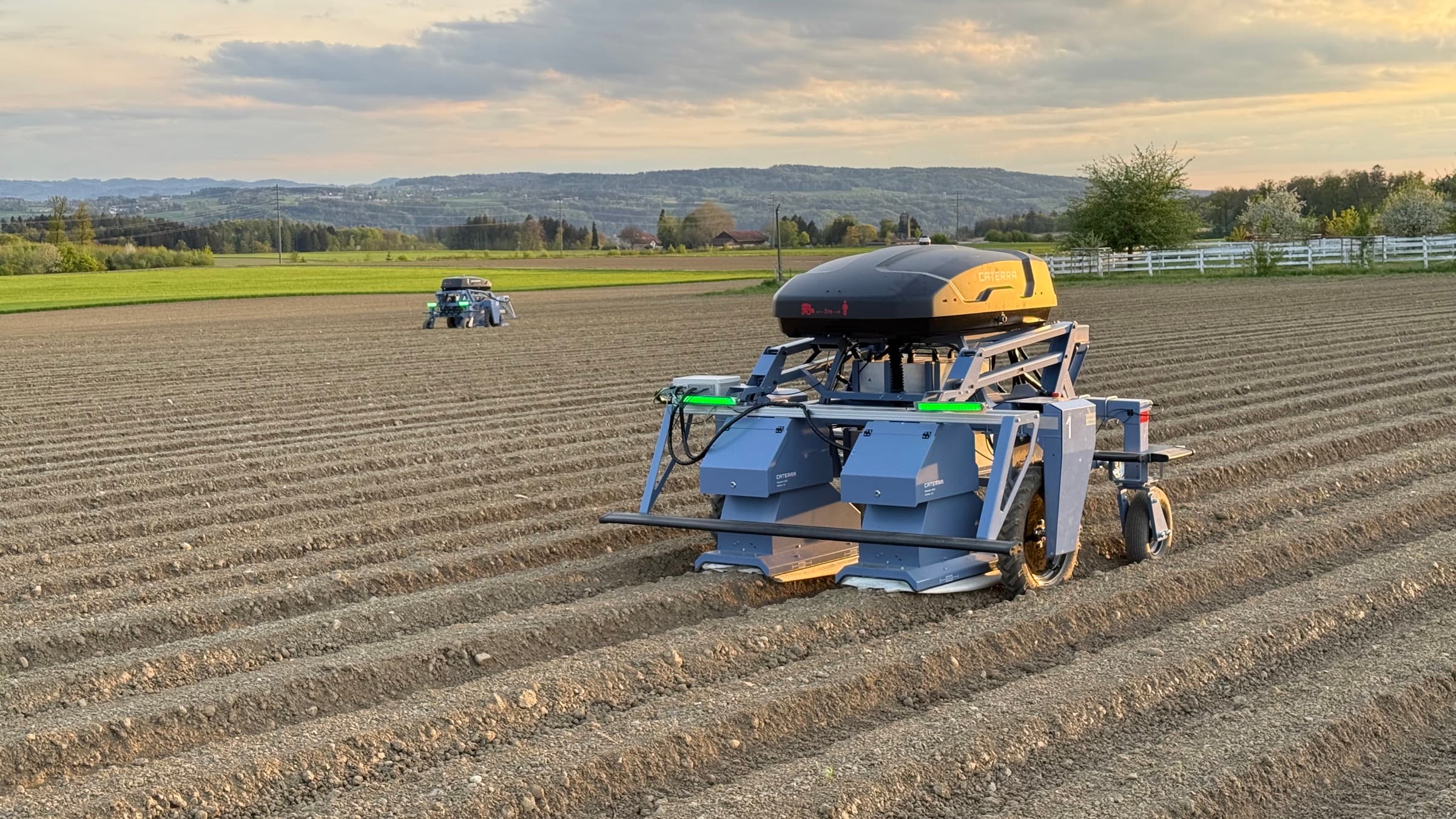
Mechanically, by hand – and now with an autonomous laser weeding robot.
Fundamentals
Six themes that shape every crop
They work together – whoever saves on the soil pays later in crop care.
Soil and soil fertility
Living soil stores water, feeds the plant and carries machinery. Gentle cultivation and organic matter keep it in shape.
Crop rotation
Winter wheat, spring wheat, winter barley and ley grass stand between the vegetable crops. They give the soil rest, break disease cycles and are not a sideshow but the precondition for healthy vegetables.
Natural fertilisation
Green manure, compost and farmyard manure replace mineral nitrogen. Legumes such as peas and beans gather it themselves and pass it on to the following crop.
Preventive crop protection
Variety choice, spacing, nets and beneficial insects come before any treatment. Regular checks in the field are the prerequisite.
Biodiversity
Flower strips, hedges and margins between the crops provide habitat for beneficial species and stabilise the system.
Irrigation
Water is applied precisely and as needed – where the crop needs it, and in the amount it can take up.
«Regionally rooted. Naturally grown.»
From field to store
The path of a crop
Six steps that repeat every season – each crop to its own rhythm.
Step 1
Soil
Soil analysis, cultivation and preparation of the seedbed.
Step 2
Sowing & planting
In successive batches, so that we can harvest throughout the season.
Step 3
Crop care
Mechanical weeding, irrigation and continuous monitoring of the stand.
Step 4
Harvest
By hand or by machine – always at the right stage of ripeness.
Step 5
Storage
Rapid cooling and proper storage in our own cold store.
Step 6
Delivery
Called off as required – a large share goes to Rathgeb Bio for processing.
Machinery
Technology that works more accurately
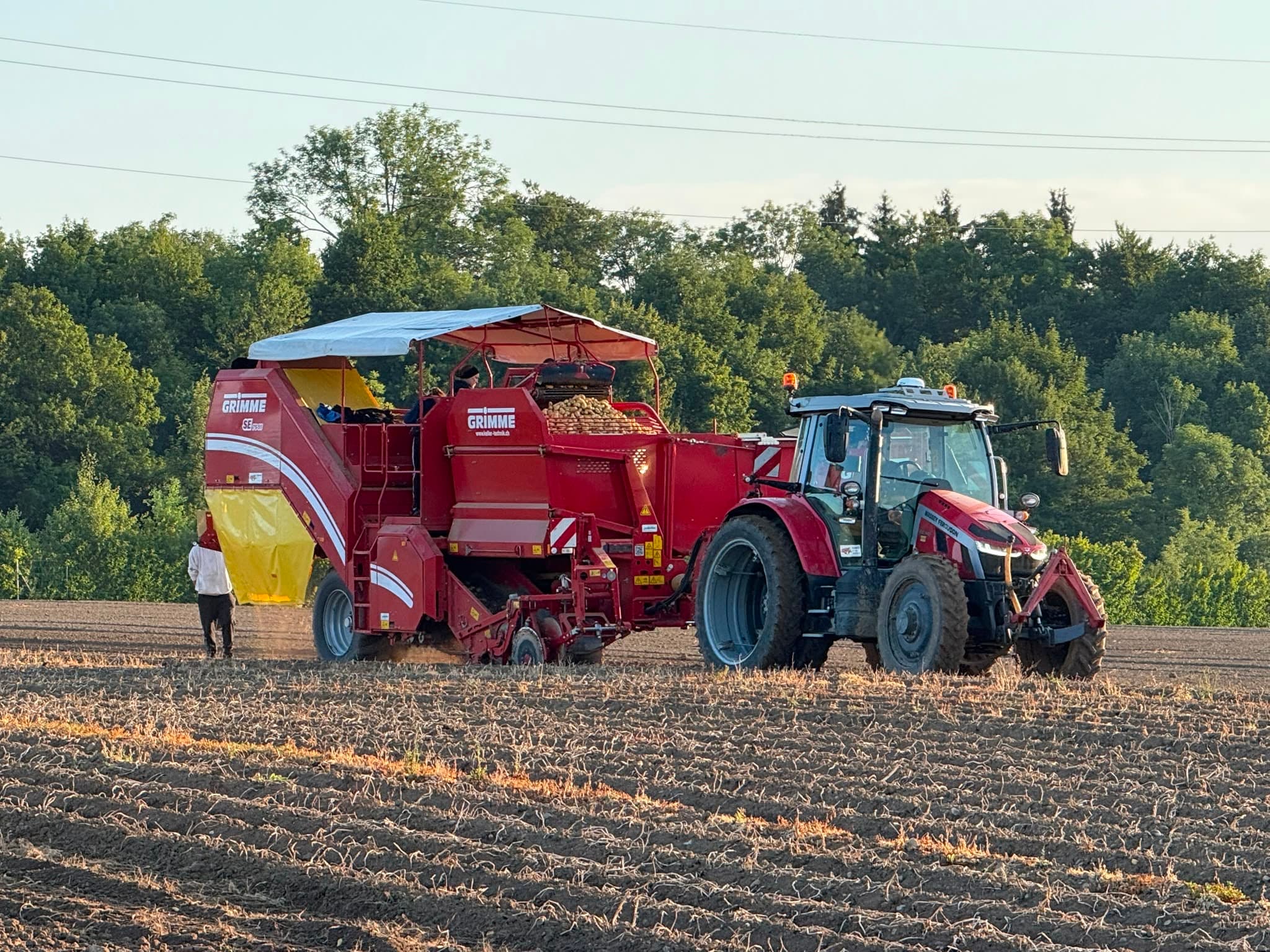
Our machinery is built for organic vegetable growing. Where no herbicides are used, the accuracy of the machine decides whether a crop stays clean – and how much hand work is needed afterwards.
- Mechanical weeding instead of herbicides
- Precise planting and sowing for even stands
- Less physically demanding work for our staff
- Rapid cooling after harvest for long storage life
Innovation in the field
A laser against the weeds
Without herbicides, weeding remains the most labour-intensive task in organic vegetable growing. We use an autonomous laser weeding robot for it: it identifies weeds between the crop plants and treats them individually – without working the soil and without touching the crop.
The robot does not replace farming. When it runs, in which crop and at which stage, is still decided by those who know the field. It takes over work that would otherwise be done bent over and by hand – and shows that automation and organic growing go together well.
Storage
Modern storage for regional organic vegetables
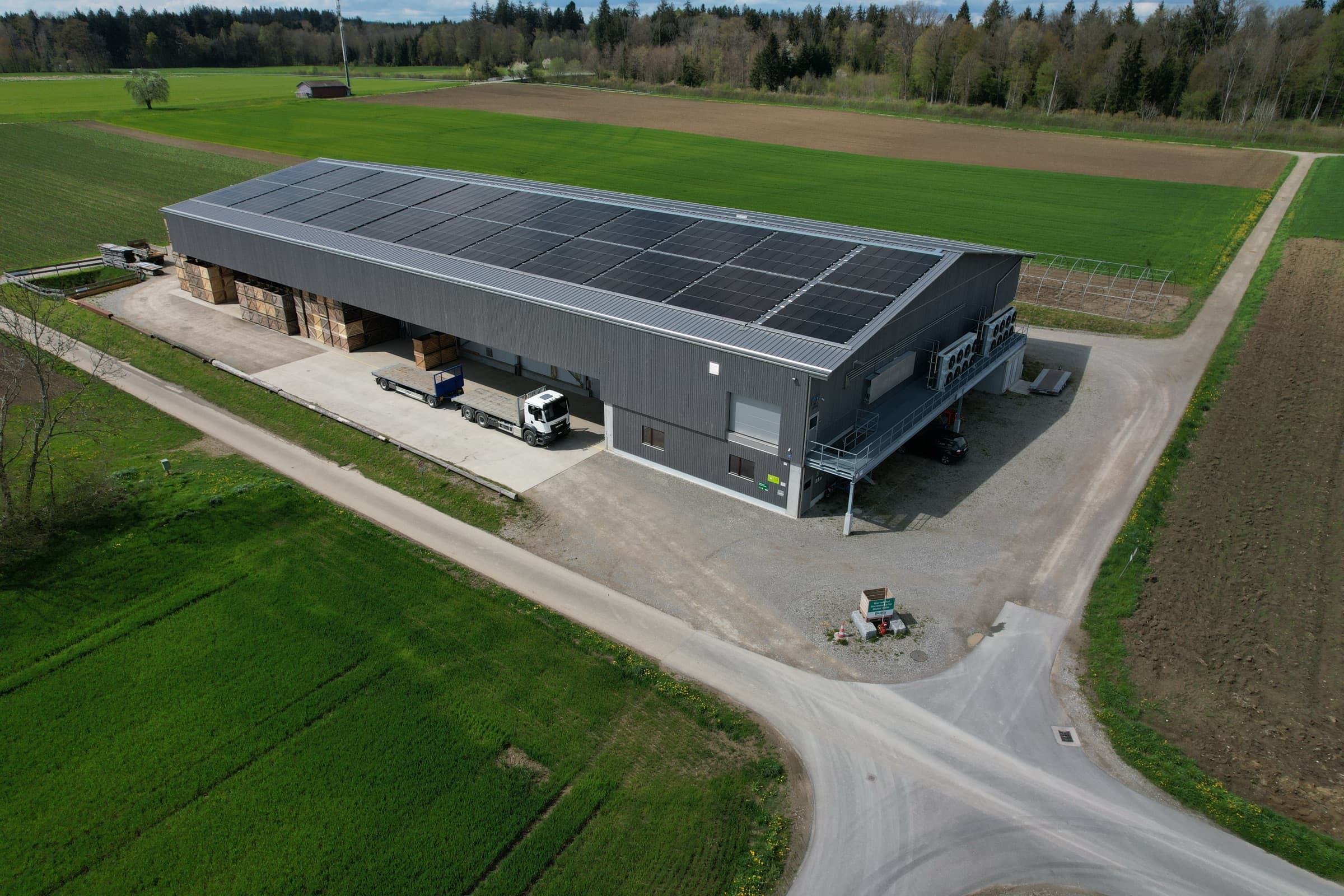
Storage vegetables are only as good as their store. Our cold store holds around 2’800 large crates – produce from our own fields as well as organic vegetables from the region.
An unbroken cold chain from harvest onwards preserves quality and storage life for months. That allows us to deliver when the produce is needed, instead of having to sell everything at harvest time.
An enquiry about our organic vegetables?
We look forward to hearing from you
Whether about quantities, storage or working together – write to us or visit us in Neuwilen.
- Sattlerstrasse 7, 8566 Neuwilen
- +41 79 866 67 64
- kontakt@bioduenner.ch